Olive Tactical Pants
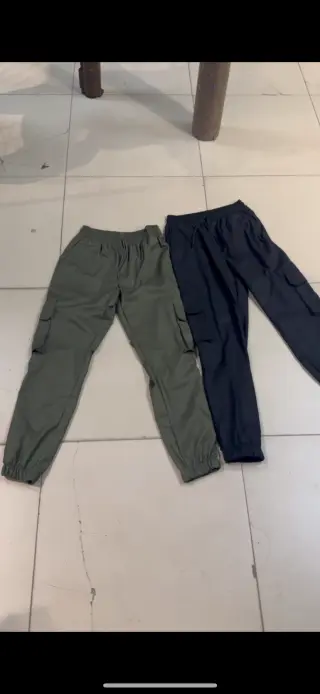
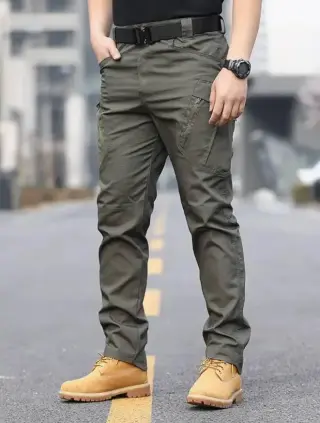
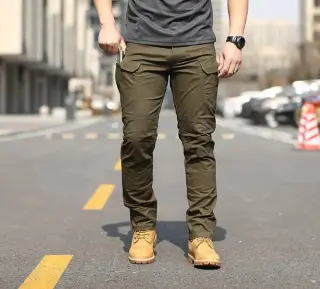
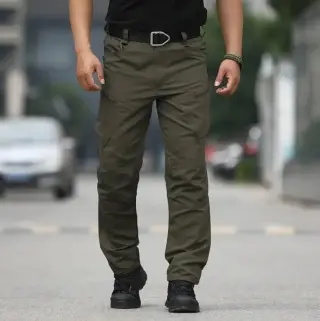
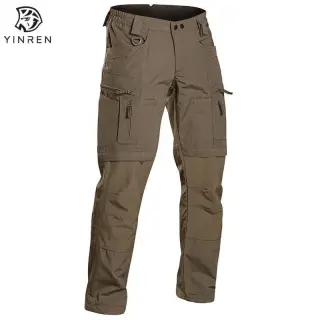
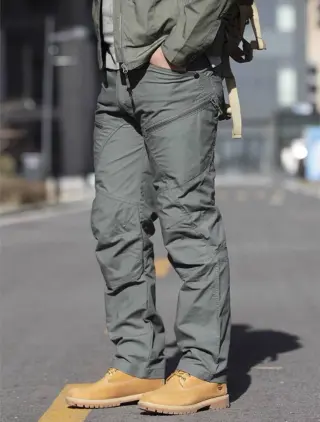
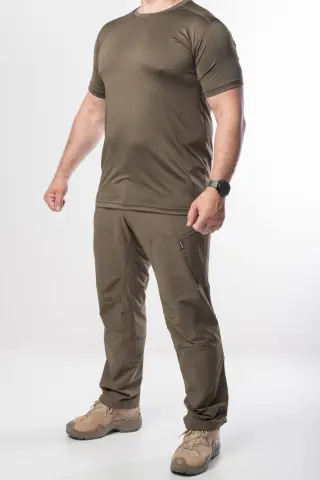
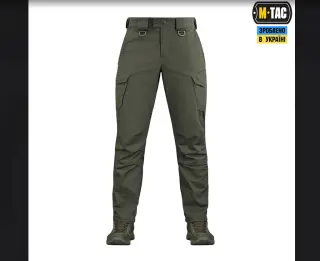
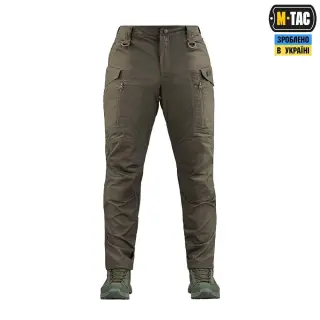
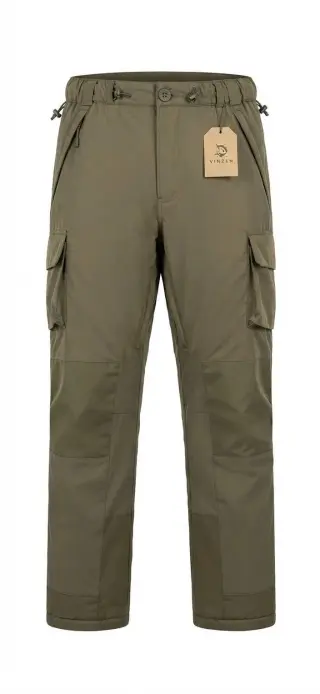
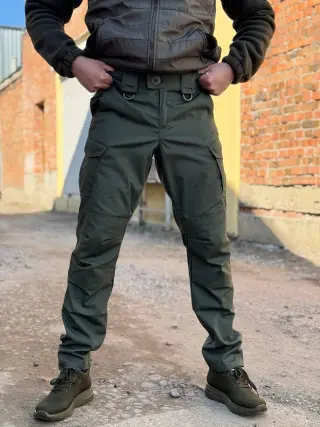
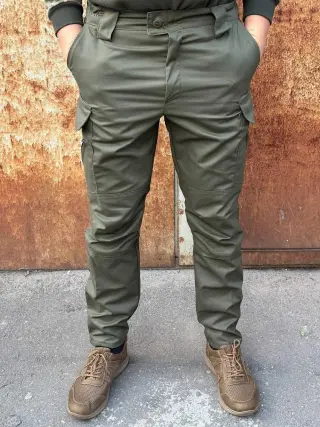
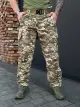
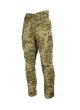
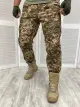
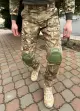


Olive Tactical Pants: How to Choose the Right Shade and Avoid Mistakes with Your Outfit
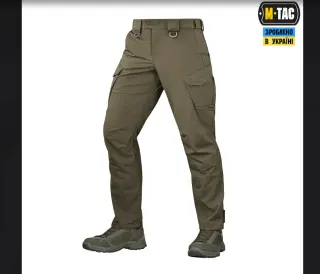
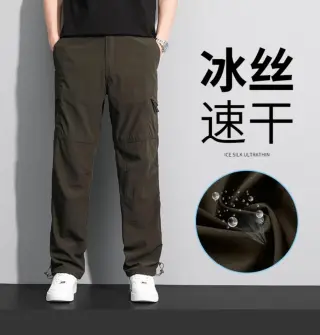
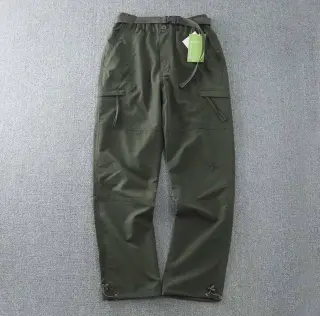
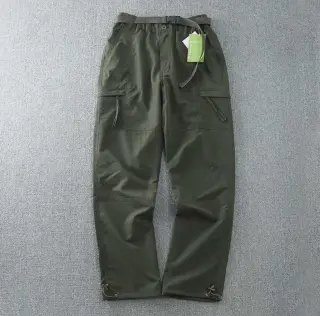
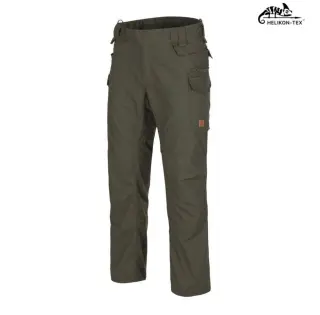
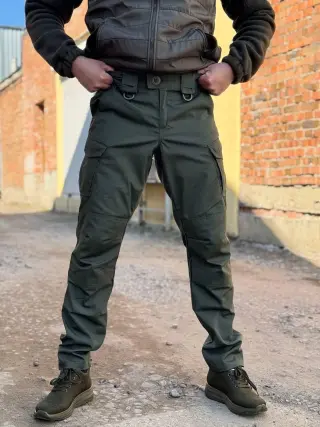
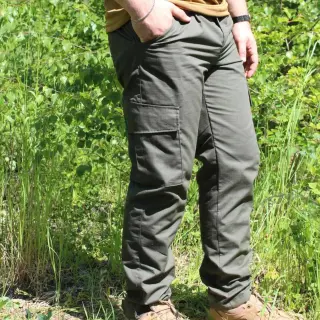
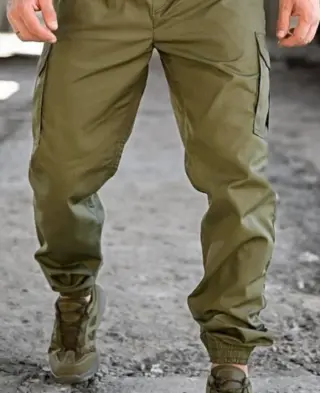
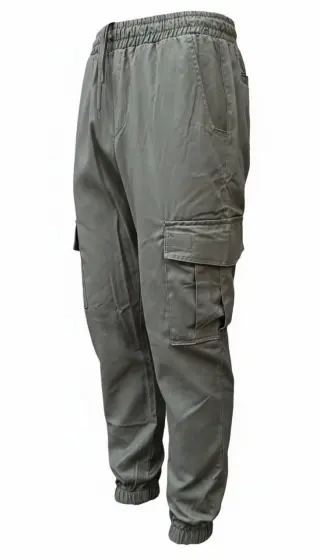
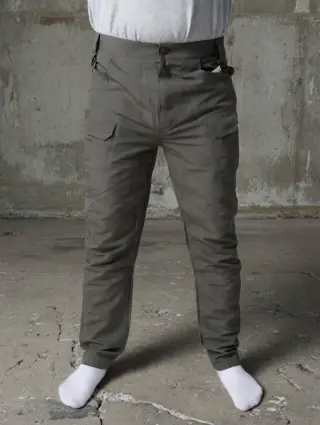
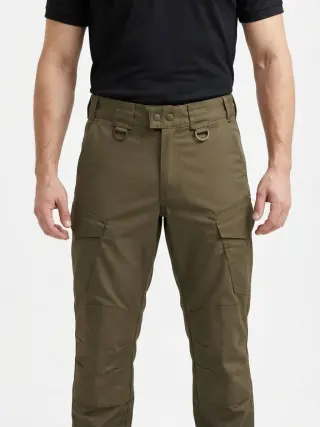
Solid olive is the color for those who need a single pair for different tasks. These pants are worn on duty with an olive top, taken hunting, fishing or hiking, and worn every day with a jacket or hoodie. Unlike camouflage, olive pants don't draw attention on the street. At the same time, among greenery they don't stand out like a spot the way black or blue ones do.
Why "olive" looks different from brand to brand
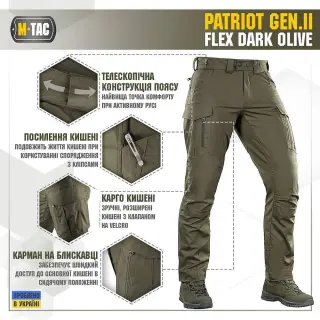
Olive is a whole family of shades, and every manufacturer dyes it in its own way. At M-Tac it is Dark Olive, at Helikon-Tex it is Olive Green and Taiga Green. Some models are dyed to the RAL 7013 standard, where the green shifts noticeably toward brownish gray. Light variants also exist, such as light olive from Urban Force. On a phone screen the difference is almost invisible. In person, though, pants and a jacket from different brands can be half a tone apart.
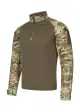
So if you are matching pants to a tunic, jacket or plate carrier you already own, look at the shade name in the description, not just the word "olive." The easiest way to put together an outfit is from one color line of a single brand. If that isn't possible, it is better to deliberately combine contrasting items, for example olive bottoms with a coyote or black top. Two almost identical but not matching shades side by side look like a mistake.
Where olive works, and where another color is better
Olive pants work best where there is living greenery around: in deciduous and mixed forest, in tall grass, in thickets. On duty they suit everyday uniform, and in the city they don't look as "military" as camouflage does. Another plus is that dust, grass and small dirt are less visible on olive than on black.
In a dry steppe, on yellowed autumn grass or on snow, however, solid olive looks darker than the terrain and gives away your silhouette. If concealment is what matters to you, not just a neutral color, it is better to wear patterned camouflage in the field. Keep olive for duty, rear areas and the city.
How olive behaves after washing and in the sun
Any green dye lightens over time. How fast depends on the fabric. Pants made of 100% cotton fade more noticeably: first on the knees, seat and pocket edges. Poly-cotton ripstop, canvas and nylon hold their color longer. That is why a new pair next to an old jacket of the same shade may look darker, and this is normal.
To keep the shade longer, wash pants inside out in cool water, without bleach or whitening products. Dry them in the shade, not in direct sunlight. Olive tactical pants cost from 750 to 9 105 UAH. Cheaper models are simple cotton and ripstop ones. More expensive ones are from M-Tac and Helikon-Tex, and the most expensive is the insulated Carinthia LIG 4.0. If you eventually decide that olive isn't for you, take a look at all tactical pants in other colors.
Frequently asked questions
Can I wear olive pants as military pants on duty?
Mostly yes, but the final decision depends on your unit's requirements. Olive is common in everyday uniform. However, some units have a specific camouflage or color. Before buying, find out what is worn in yours and consider the shade of your outerwear.
Which shade of olive should I choose if I don't know what I'll wear it with?
Go for a medium or dark shade, for example Dark Olive. It pairs more easily with coyote, black, gray and camouflage, and scuffs are less visible on it. Light olive looks more civilian and suits city clothes, but shows dirt faster.
Why don't my new olive pants match my jacket of the same color?
Most often because brands use different shades, or because the jacket has already faded. Even within one manufacturer, a fabric with a higher cotton content becomes lighter over time than a synthetic one. Compare the shade name when buying and judge the item in person in daylight.