Microfleece Sweaters — Tactical Thin Fleeces
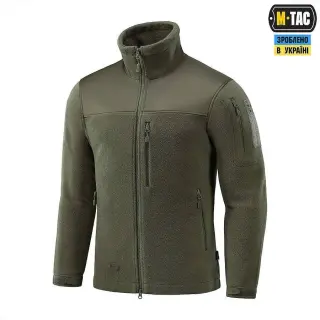
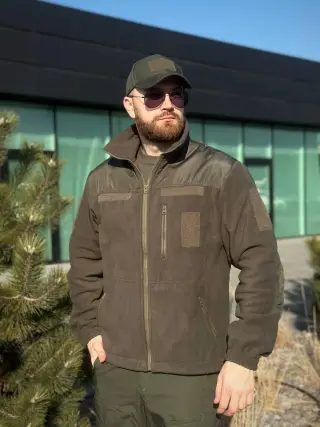
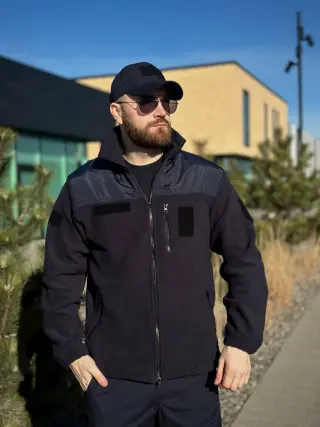
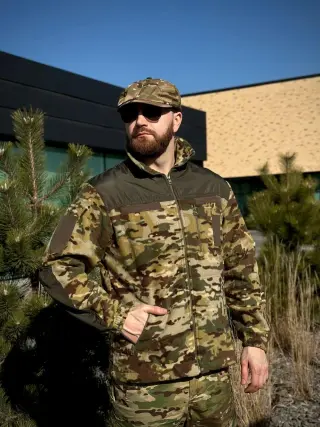
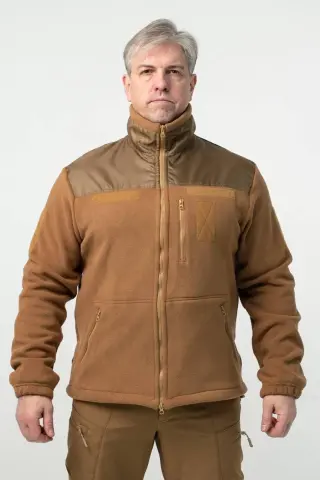
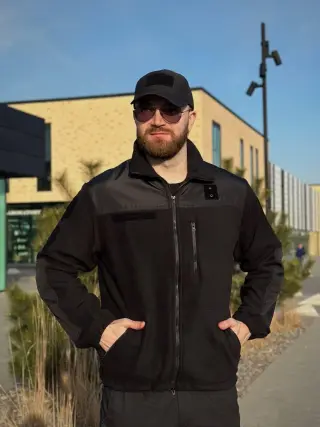
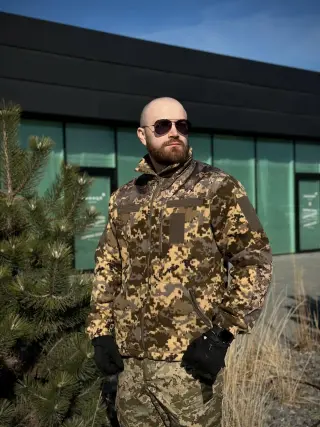
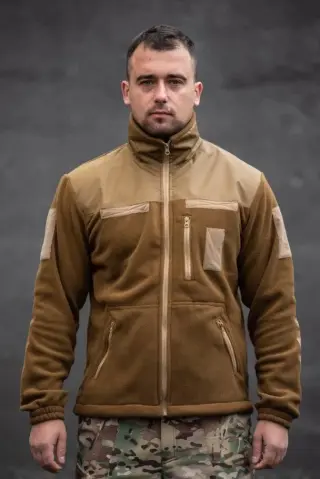
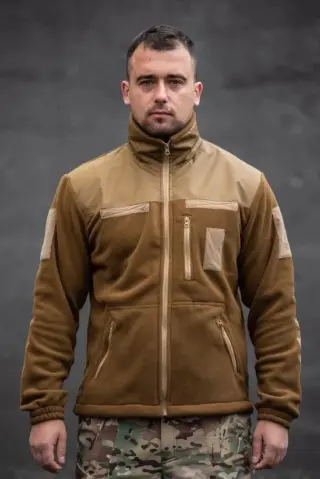
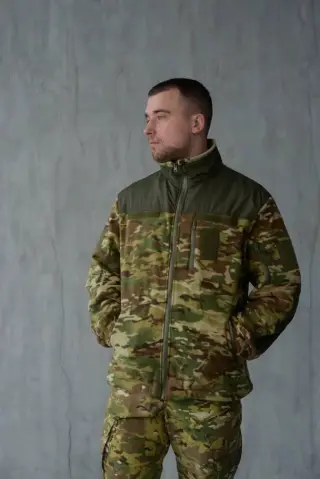
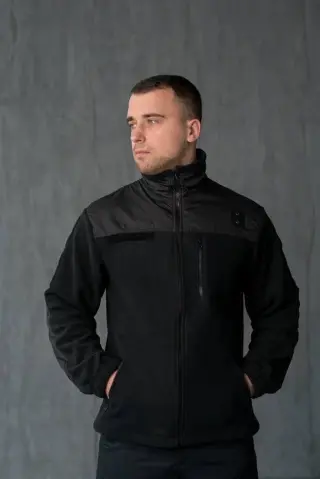
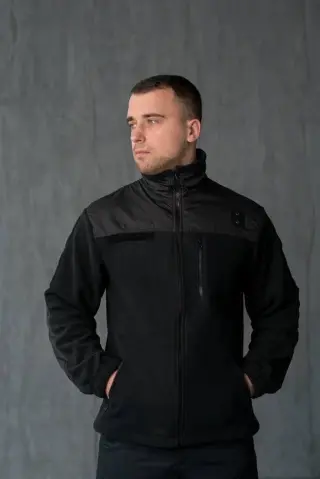
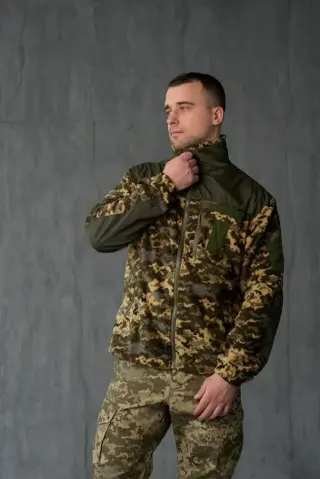
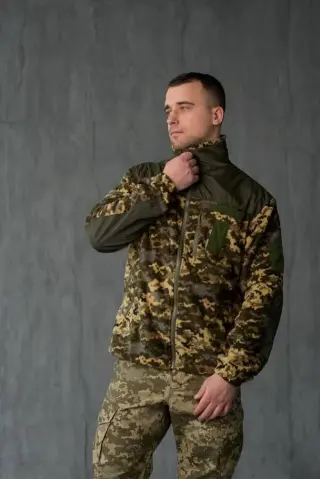
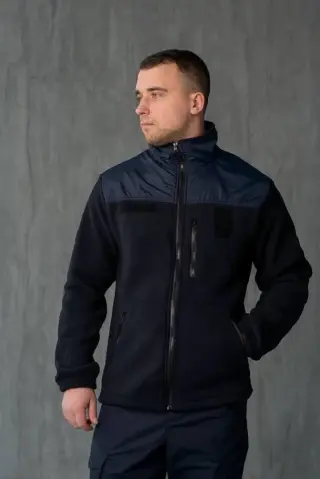
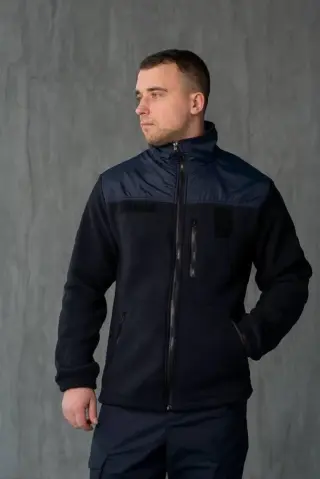
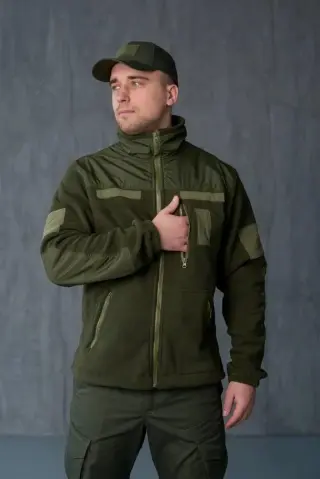
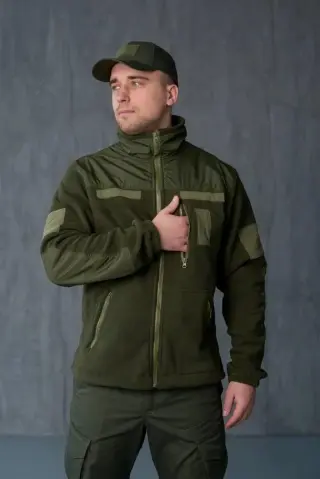
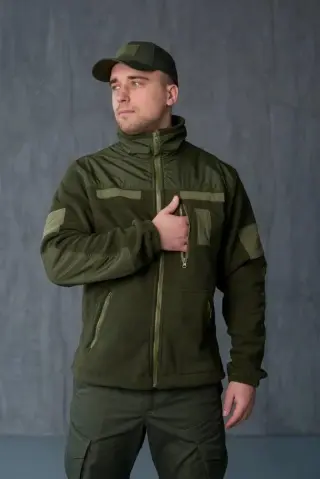
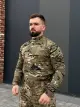
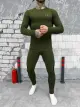
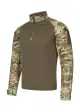
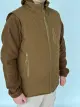
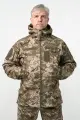
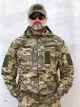


Microfleece Sweater: A Thin, Warm Layer Under Your Uniform
A microfleece sweater is for anyone who needs warmth without extra bulk. It is worn under a jacket or body armor, on its own in cool weather, and taken along on duty, to training or on a hike. Thin fleece does not restrict movement, dries quickly and takes up little space in a backpack. That is why it is often kept as a spare insulating layer. Prices for these sweaters range from 1 080 to 2 620 UAH.
How Microfleece Differs from Regular Fleece and Waffle Knit
Classic fleece has a long, fluffy pile. It keeps you warm, but it makes the garment bulky and over time it pills. Microfleece has a short, dense pile, so the fabric is smoother and thinner. Under outerwear it is barely noticeable. Thin does not mean cold: microfleece comes in 300 g/m² density, and in models with reinforcements up to 420 g/m². Such a sweater is already fully self-sufficient for a cool day.
The fabric's structure itself retains heat. A waffle texture, as in Army Combat sweaters, creates air pockets that keep warmth even when the fabric is damp. Twisted yarn in the weave, as in Himatec 200 series fabric, adds wear resistance. Honeycomb knit has a different structure: it is a fabric with open channels that ventilates better under exertion, but lets wind through more easily. If you need even warmth and a smooth surface under a jacket, choose microfleece. If the sweater is for intense activity, consider honeycomb knit.
How to Wear a Microfleece Sweater in Layers and Choose the Size
In the ECWCS system, a microfleece fleece serves as the third, insulating layer. Thermal underwear or a T-shirt goes under it, and a wind- or waterproof jacket goes over it. In the off-season the sweater is worn on its own, and in frost, under outerwear. Thin models also work as a mid layer under a thicker fleece.
Choose the size by considering what will be under the sweater and over it. If you wear only a T-shirt underneath, take your usual size. For thick thermal underwear, a looser cut is better. Check that the sweater does not pull across the shoulders when you raise your arms and that the sleeves do not ride up. Before choosing a size, try on your outer jacket: it should close over the sweater without strain.
Care is simple: gentle wash and drying away from a radiator. It is better not to add fabric softener, because it clogs the pile and the fabric warms and wicks moisture less effectively.
What to Look for in the Construction
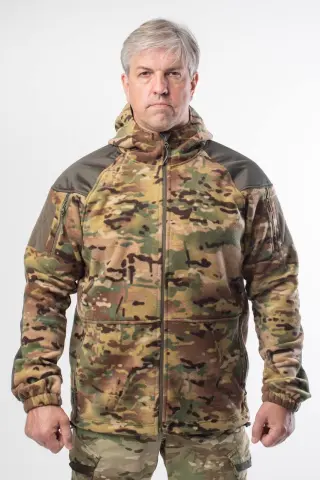
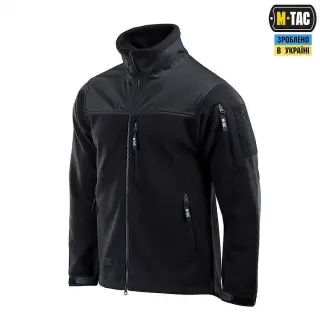
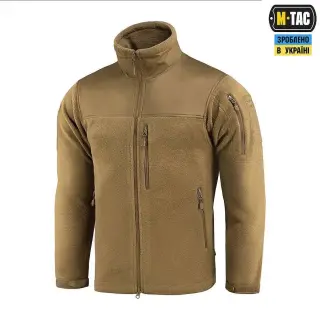
Reinforcements matter for fieldwork. In the M-Tac Alpha Microfleece Gen.II, the shoulders, elbows, upper back and collar are covered with Oxford 300 PU nylon. It protects the fleece from abrasion by backpack straps and belts. The Military jacket with a hood has waterproof fabric inserts on the shoulders and elbows and a mesh lining. Velcro panels for patches, zippered side pockets and elastic cuffs make the sweater comfortable as an outer layer. If you need service apparel, there are sweaters with the inscriptions «Police» and «DSNS» (State Emergency Service).
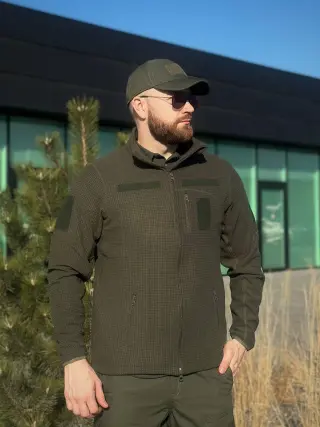
Choose the color to match the rest of your kit. For field uniform, an olive fleece sweater is convenient, for the Armed Forces of Ukraine uniform — a pixel fleece sweater, and for MTP camouflage — multicam.
Frequently Asked Questions
Is a microfleece sweater enough for winter?
On its own — no; in winter it is an insulating layer under an outer jacket. Microfleece keeps you warm thanks to its air pockets, but by itself it does not protect from wind and wet snow. You need a jacket over it and thermal underwear underneath.
Should I get a sweater with a hood or without?
Without a hood, the sweater is more comfortable under body armor and a jacket with its own hood. Choose G5 and G10 models with a hood if the fleece will be the outer layer. More options are among hooded fleece sweaters.
What to choose if microfleece seems too thin?
Look at denser 420 g/m² models with reinforcements or classic fleece sweaters with a longer pile. They are warmer as a standalone layer, but bulkier under a jacket.