Coyote Fleece — Tactical Fleece Jackets
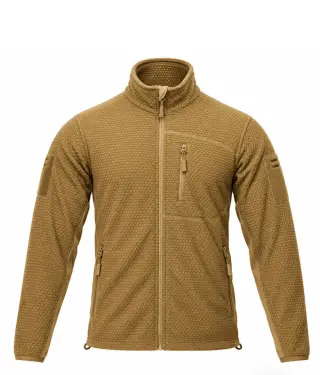
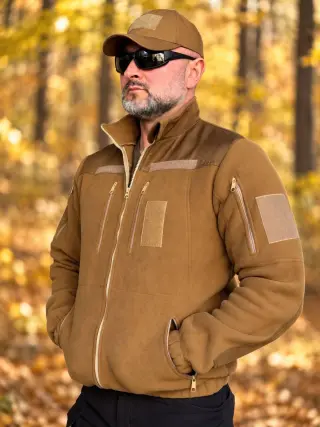
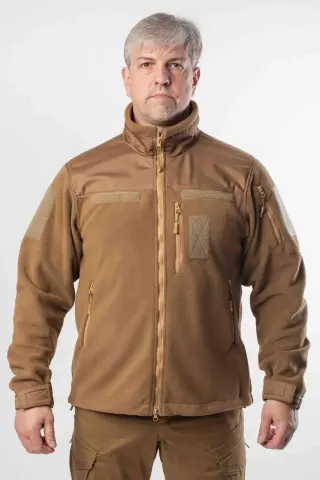
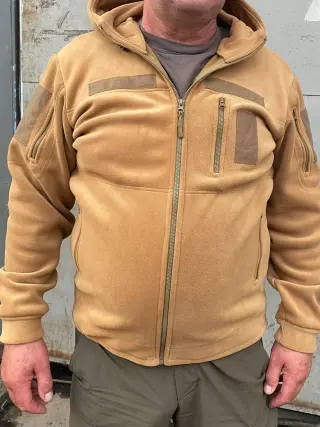
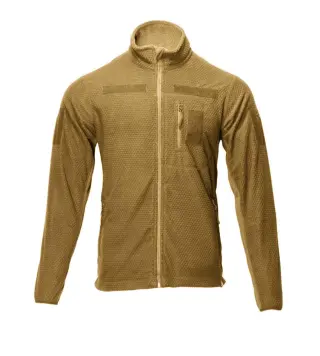
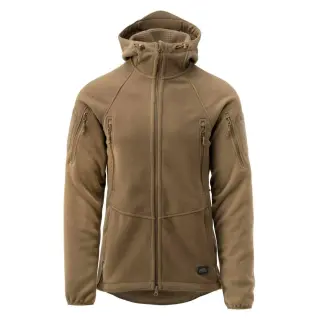
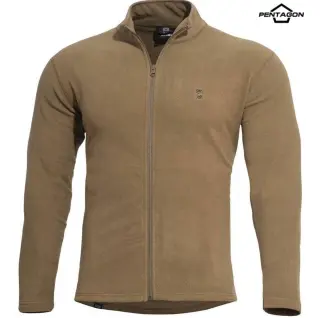
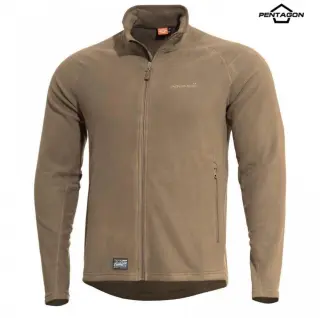
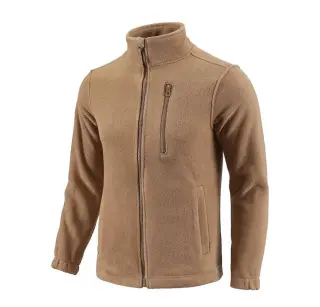
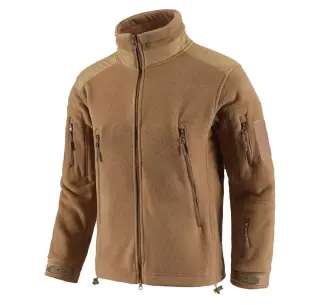
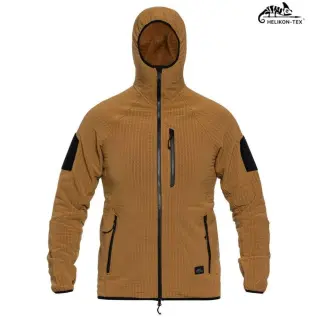
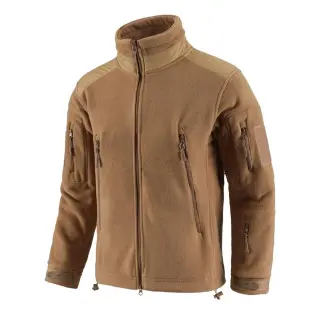
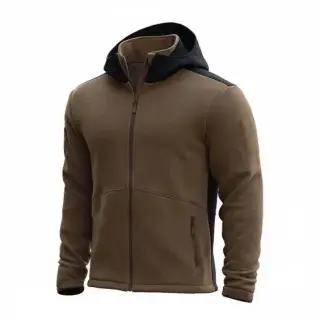
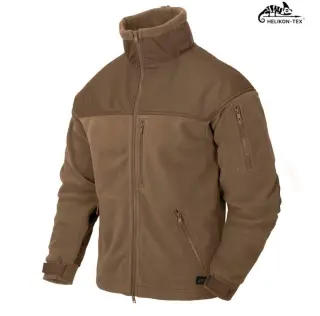
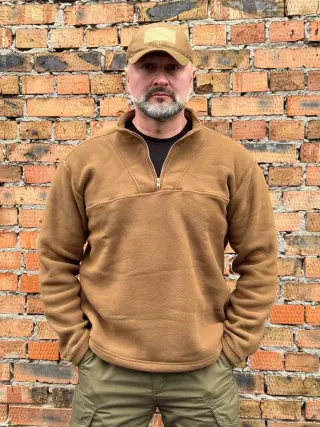
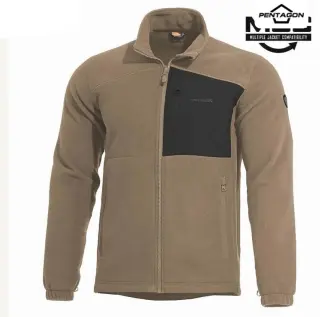

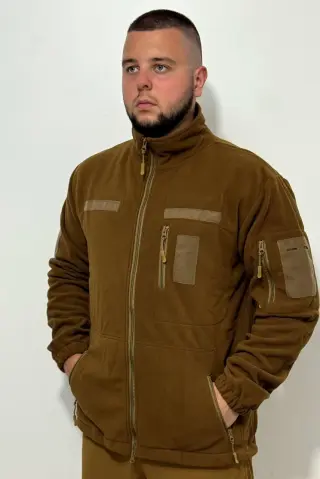
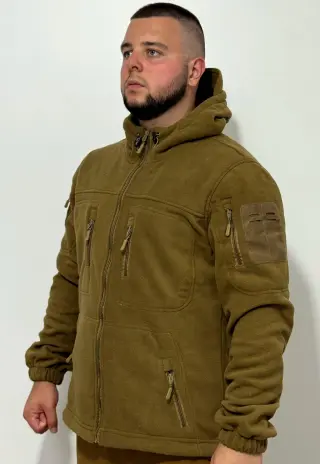
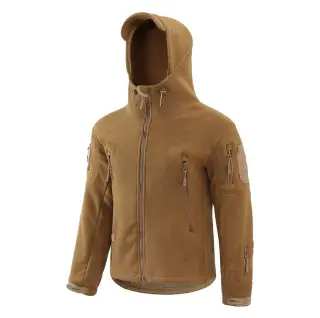
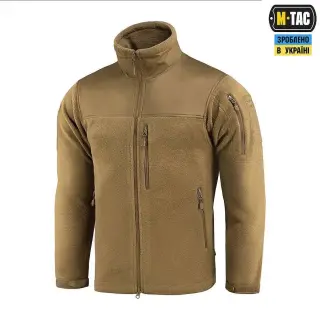
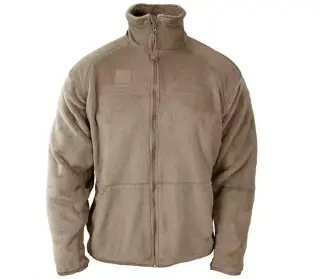
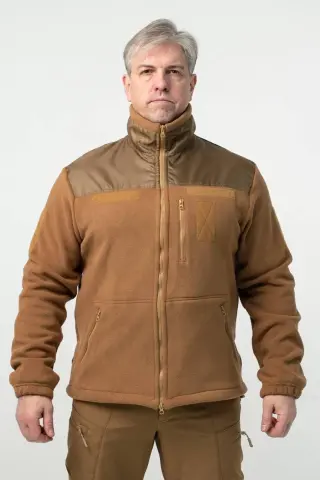
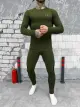
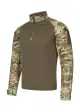
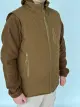
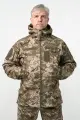
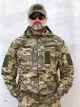


Coyote fleece: tactical fleece jackets in a sandy-brown shade
Coyote is a warm sandy-brown color that blends well with dry grass, clay, sand and autumn forest. This fleece is chosen by those whose plate carrier, chest rig or pants are already in coyote or Multicam, as well as by those who need a lighter alternative to olive for field outings and everyday wear. Prices for fleece jackets in this color range from 970 to 5 500 UAH. The difference between them depends on the type of fleece and the construction, not on the color.
Where the coyote color works and where it doesn't
Coyote works best in dry and light conditions: steppe, sandy soil, burnt-out grass of late summer and autumn, a winter landscape without snow. Under body armor or a jacket the fleece is barely visible, so the color matters less there. But if the jacket becomes the outer layer, it should harmonize with the rest of your gear. Coyote pairs naturally with Multicam, because this shade is part of the camouflage pattern itself. If you are torn between the two, also take a look at Multicam fleece. Against the lush green of a summer forest, coyote is lighter than the background, so olive is the more logical choice for such conditions.
Keep in mind that the coyote shade differs between manufacturers: some are closer to sand, others to the darker Coyote Brown. If the fleece has to match your other clothing tone on tone, check the photos in the product card carefully and, if possible, stick to a single brand. In the city, a coyote fleece jacket is versatile: it combines easily with jeans, olive, black and gray.
Which type of fleece to choose
Most models are based on classic fleece of different densities. Esdy has options at 280 and 300 g/m², Pentagon Tac Maven Elk is 300 g/m², Helikon-Tex Patriot Mk2 Hybrid is 320 g/m², and the densest jackets with a 3D mesh are 380 g/m². The higher the density, the warmer and heavier the jacket. Dense fleece is convenient to wear as a standalone outer layer in cool weather, while a lighter one works under a jacket.
If you move a lot, pay attention to grid fleece: the mesh structure moves excess heat and moisture to the outer layers, so you get less overheated on the march. Microfleece jackets are thin and compact — they are handy to keep in a backpack or to wear as a first insulating layer. A separate class is models with a membrane or wind protection, such as the M-Tac Windblock Division Gen.II. There are also hybrids with reinforced patches on the shoulders and elbows, for example the Patriot Mk2 Hybrid from Helikon-Tex. The patches are especially useful if you wear fleece under backpack straps or with a plate carrier: these are the places where fleece wears out first.
How to care for light-colored fleece
Coyote hides dust and dry mud well, but grease, oil and soot show up on it more than on dark colors. It is better to blot a fresh stain right away and treat it, rather than waiting to wash the whole jacket. Wash fleece on a delicate cycle in cool water, turned inside out with zippers and hook-and-loop fasteners closed — this produces less pilling.
Do not use bleach: it changes the shade, and your tactical coyote fleece will stop matching the rest of your kit. It is also better not to add fabric softener, because it clogs the pile and the fleece keeps you less warm. Dry the jacket laid flat, away from radiators and direct sunlight: high temperature damages the fibers, and the sun gradually fades the color.
Frequently asked questions
Will a coyote fleece go with a Multicam uniform?
Yes, it is one of the most successful combinations. The coyote shade is part of the Multicam palette, so the jacket does not stand out from the set. If the fleece is visible over the uniform, choose a tone closer to your camouflage.
How do I choose the size of a fleece jacket?
Go by your usual size and by what you will wear under and over the jacket. Sizes are marked with both letters and numbers — from 42 to 64. In models marked R, the letter corresponds to a specific numeric size, for example M/R is effectively 50. Battalion-cut options are available for a stocky build.
Which coyote fleece should I take for cold weather?
Choose dense fleece of 320–380 g/m² or a model with a membrane or wind protection. A dense jacket holds heat better, and the membrane keeps the wind from blowing it away. Another option is Polartec fleece: it is warm while being lightweight.